Documentary films and how they impact the reality
Documentary films in their core are the representation of reality. In most cases, modern documentaries focus on the present and future problems of the society, of the planet, or of some particular field of life; nonetheless, there are still directors who depict the past events of the history. Those films focusing on the problems of human life and everything around it are the ones that are supposed to impact the reality of nowadays and change life in general for the better. The question is whether films do have the power to change anything or they are just like commercial films occupy the viewers’ minds for a couple of hours and then the people go on living their usual lives outside of the cinemas with no impact at all.
According to the creators of the Doc Creative Impact award or the Doc Impact Hi 5 award, there is an impact and it can be massive. These awards invited such great filmmakers as Morgan Spurlock, Thandie Newton, and Queen Noor of Jordan to evaluate the impact a documentary has made and to find the truly worthy projects deserving to be awarded. The importance of these events is not only in the recognition that someone’s work is great but also in handing over a check for about £43,000 for the development of a new game-changing project. While these jurors do have the right to believe in what they are doing, these are numbers and facts that signify whether documentaries make any impact or not. So let’s take a look at some of them.
One of the most well-known documentaries and loudest ones is Super Size Me by Morgan Spurlock. It was an experiment of the director who ate McDonald’s food, gained lots of weight and harmed his health heavily. It then took him 13 months on a vegan diet to get back to normal. The documentary raised huge disputes all over the world, Jamie Oliver and Michelle Obama are trying to educate the people about healthy nutrition since. Even McDonald’s announced the elimination of the Super Size meal from their menu six weeks after the film premiere (the latter case was depicted not completely fair since McDonald's attributed their demise of the Super Size meal to a fall in sales).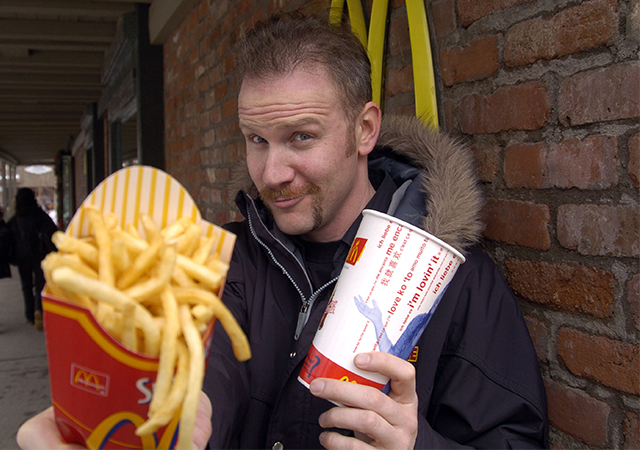
Another example of the top-10 greatest documentaries ever made, according to Red Rock Entertainment film production company, is The Age of Stupid by Franny Armstrong. This documentary not only vividly depicted the possible future but also made a huge impact on the ecological situation on the planet. After the film was released, it became the finalist for the Creative Impact award and then the 10:10 carbon cutting initiative was started in 46 countries. The total budget raised for the cause reached almost £1m. While it might seem like a small sum of money worldwide, the number of alerted people and the changed minds should make a difference after all.
A perfect example of how a documentary can make a difference was with the 1988 film by Errol Morris The Thin Blue Line. The director investigated the destiny of a wrongly convicted man who was already on death row. Yes, the film’s investigation did not change the way the system works, however, Randall Adams the man convicted for murdering a Texas police officer in 1976, was exonerated and then released from prison in 1990. On the global scale of impact, the life of an individual might seem like a statistical error, but, in fact, a human being was saved and freed. If this is not the example of the great impact a documentary can make, then what is?
Red Rock Entertainment reviews many films daily, monthly, and yearly. The film experts would agree that not each and every documentary made today can and will make a difference but the history knows about other great examples like DW Griffith's The Birth of a Nation which became one of the factors the Ku Klux Klan resurgence in the South. After Ken Loach's Cathy Come Home, a homeless shelter was set up and about a quarter of the British nation contacted the BBC with such a demand. The numbers say that after Clark Gable's It Happened One Night, there was a massive cut on sales for men's undershirts.
These are all examples from the past, it’s true. But the current films are released so often and the world is changing so quickly that it becomes pretty much impossible to establish the connection between the sales and the film. However, considering the idea of Trevor McKinney (played by Haley Joel Osment) in Pay It Forward, even if the mind of a single person is changed, the world gets impacted as well.